Clear aligners may look simple: a sequence of clear, removable aligners designed to gradually move teeth into new positions. But successful clear aligner treatment involves much more than progressing from one aligner to the next.
The aligners themselves are only one part of the process. Diagnosis, treatment planning, the patient’s bite, biological response to tooth movement, consistent wear, clinical monitoring, and retention can all influence the final result.
Understanding these factors helps explain why professionally planned and monitored clear aligner treatment is more than simply receiving a series of aligners.
Straight Teeth Are Only Part of the Goal
When considering clear aligners, patients naturally focus on what they see when they smile. But orthodontic treatment also considers something equally important: how the teeth function together.
Moving one tooth can influence neighboring teeth and change how the upper and lower teeth contact each other. A smile may appear straighter while the bite still requires additional correction.
For that reason, clear aligner planning should consider the entire bite rather than focusing only on the appearance of the front teeth.
Digital Planning Creates a Roadmap
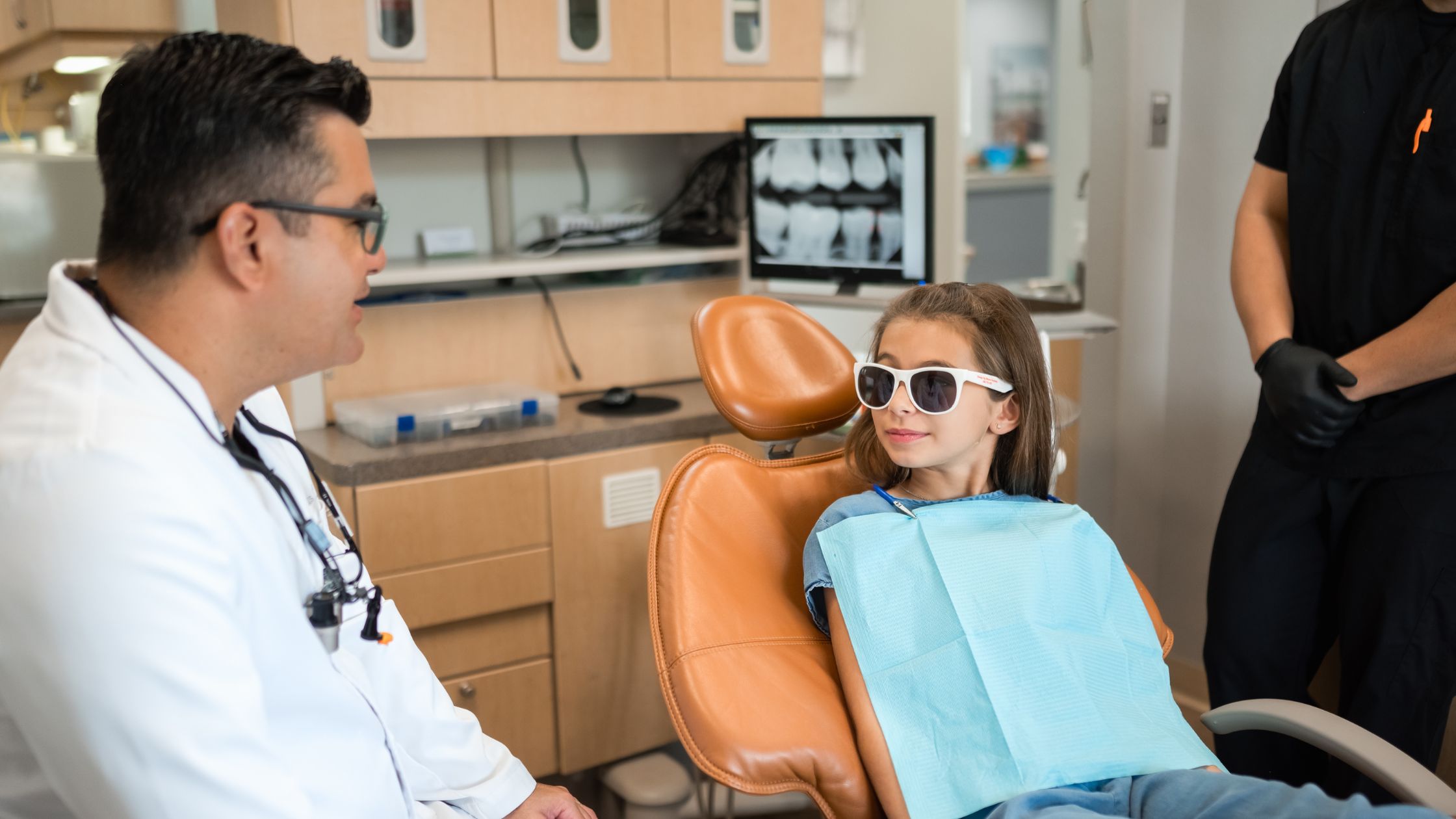
Digital technology allows the teeth to be scanned and treatment to be planned before active tooth movement begins.
This creates a roadmap for how individual teeth are expected to move throughout treatment. However, a digital plan is still a plan—not a guarantee that every tooth will respond exactly as predicted.
Teeth move through a biological process involving the bone and tissues surrounding them. Individual teeth and individual patients can respond differently to orthodontic forces.
That is why technology works best when combined with clinical judgment and ongoing evaluation.
The Patient Plays an Important Role
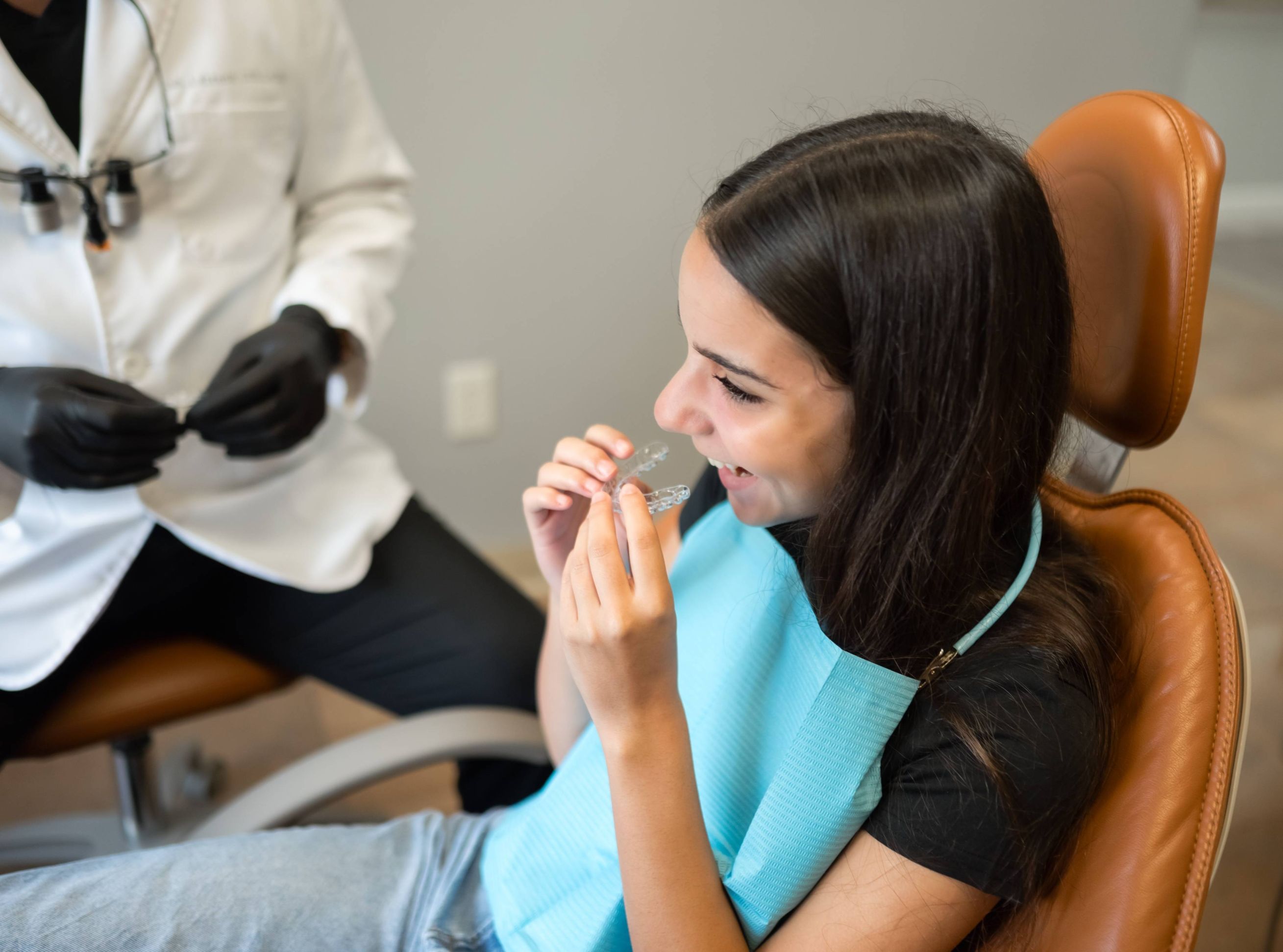
One of the advantages of clear aligners is that they are removable. That convenience also means the patient becomes an active participant in treatment.
Aligners can only apply their intended forces when they are being worn. Consistent wear, following the recommended sequence, caring for the aligners properly, and attending progress evaluations can all influence whether treatment stays on track.
In that sense, successful clear aligner treatment is a partnership between the patient, the dental team, and the technology being used.
Why Are Attachments Sometimes Necessary?
Some tooth movements require additional control.
Small, tooth-colored attachments may be temporarily bonded to selected teeth during clear aligner treatment. These attachments create specific areas for the aligner to engage the tooth and can help guide certain movements more predictably.
Their number, shape, and location depend on the individual treatment plan.
They are not simply an accessory to the aligner. They can be an important part of the biomechanics used to move the teeth.
Why Might a Treatment Plan Need Refinement?
Orthodontic treatment is a biological process, and teeth do not always move exactly according to the original digital simulation.
If certain teeth are not tracking as anticipated or the bite requires additional adjustment, a new digital scan and an additional sequence of aligners—often referred to as a refinement—may be recommended.
A refinement process toward the end of treatment may be necessary to adapt the original plan based on how the teeth have actually responded and to fine-tune the final result.
Why Clinical Monitoring Matters
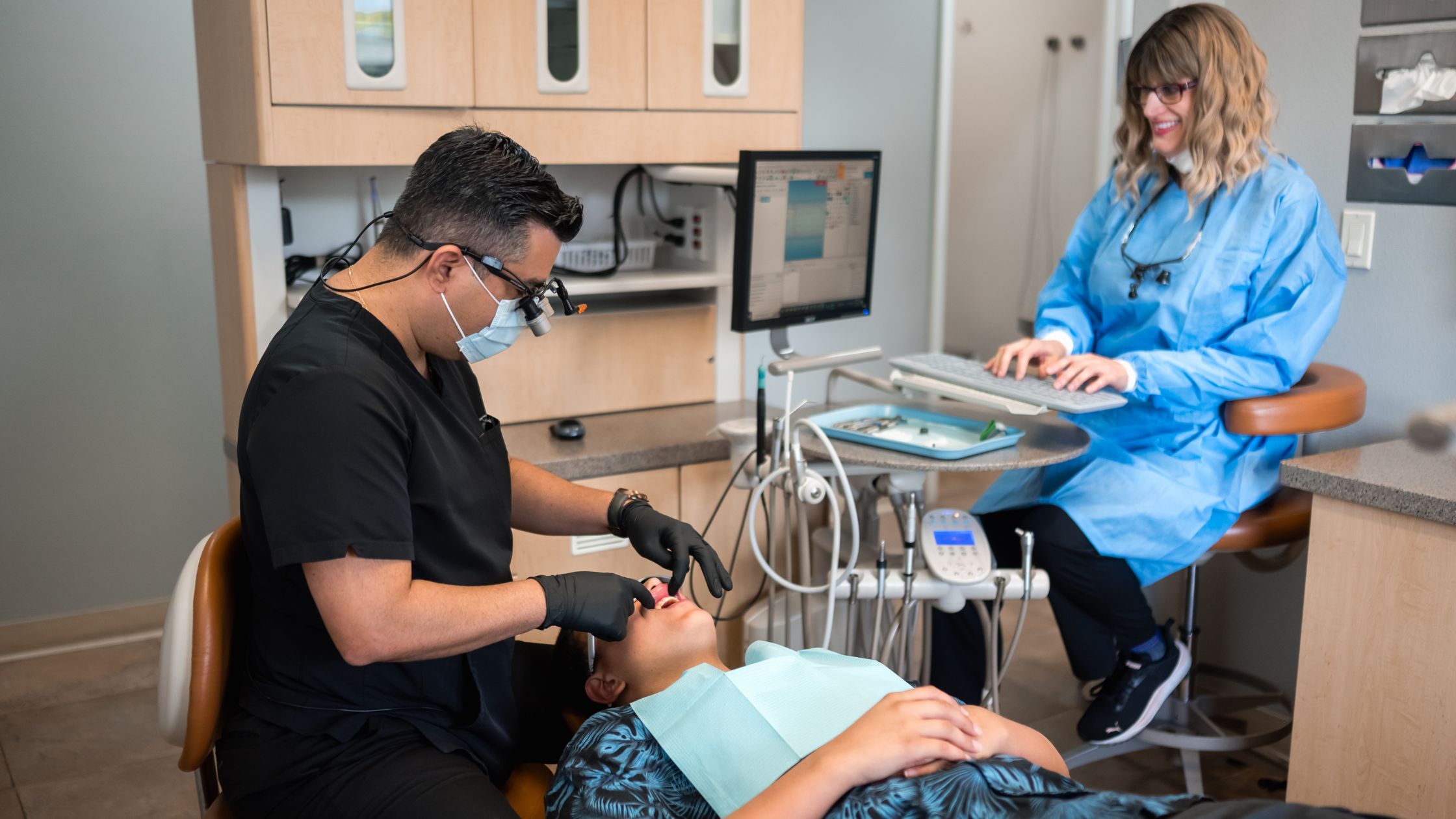
Progress evaluations allow the dental team to compare what was planned digitally with what is actually happening clinically.
During these visits, the dental team can evaluate the position of the teeth, the fit of the aligners, the bite, oral health, and overall treatment progress.
If something is not progressing as expected, identifying it during treatment allows the plan to be reassessed rather than simply continuing through the remaining aligners.
Treatment Doesn’t End With the Last Aligner
Once active tooth movement is complete, maintaining the result becomes the next objective.
Teeth naturally have a tendency to shift over time. Retainers help maintain their new positions after orthodontic treatment.
Retention is therefore not separate from successful orthodontic care. It is part of protecting the result that treatment created.
Good Aligner Treatment Starts With Good Planning
Clear aligners can provide an effective and convenient approach to orthodontic treatment for appropriately selected patients, but the appliance itself does not determine the outcome.
Careful diagnosis, individualized treatment planning, appropriate biomechanics, patient cooperation, clinical monitoring, and retention all play a role.
At Orange City Modern Dentistry, clear aligner treatment combines digital technology with personalized clinical planning based on each patient’s teeth, bite, oral health, and treatment goals.
Interested in learning more? Explore our Clear Aligners page or schedule an evaluation to find out whether clear aligner treatment may be appropriate for you.